Did you know nearly every part of an excavator is tied to its hydraulic system?
For example, the excavator’s diesel engine is connected to the hydraulic pump. The pump supplies the flow and pressure to the various functions of the machine. As the pump spins, oil travels through the system, allowing the excavator’s tracks, boom, arm and bucket to work.
Hydraulic systems are the powerhouse of your excavator. That’s why consistent, proper preventive maintenance is key.
Follow our hydraulic system maintenance tips and get answers to commonly asked questions to keep your machine running smoothly season after season.
Check and Replace Hydraulic Fluid
Your excavator’s hydraulic system relies on fluid, specifically oil. You can keep your excavator running smoothly by properly maintaining its hydraulic system fluid levels and using the right oil for your machine.
Hydraulic oil is formulated with the specific additives that can help keep the components, and the entire system, clean. Additives also make sure that any water that gets into the tank is separated properly.
Brian Kim, DEVELON crawler excavator product manager, provides answers to commonly asked questions on excavator hydraulic systems.
Q: How often should I change the hydraulic fluid in an excavator?
A: Most manufacturers of mid-size crawler excavators recommend changing the hydraulic oil every 2,000 operating hours and checking the excavator’s hydraulic oil level every eight to 10 hours of work time. However, you should always follow the maintenance schedule in your manufacturer’s owner manual. Every machine should come with this manual. If you don’t have a copy, contact your dealer to order a replacement or get access to an electronic version.
Q: What type of hydraulic oil is best for excavators?
A: OEM fluids are always best, as they are matched to your system's specifications. Using the correct fluid is key to preventing seal degradation, maximizing efficiency and achieving top machine performance.
Q: How do I know if my excavator’s hydraulic fluid is contaminated?
A: If the wrong fluid makes its way into the hydraulic system, the machine won’t run properly. If you suspect that the incorrect fluid has entered the hydraulic system, it’s best practice to speak to your service technician or dealer as soon as possible to avoid further damage to the system.
Q: What happens if I run an excavator with a low hydraulic fluid level?
A: Running an excavator with low hydraulic fluid, or never changing the excavator’s hydraulic oil, will age the machine and can cause a buildup of contaminants in the machine’s hydraulic system. The old oil can damage other components of the hydraulic system, leading to a reduction of the machine’s overall efficiency.
Regularly Change Hydraulic Filters
Replacing hydraulic filters often is essential to prevent contaminants from circulating throughout the hydraulic pump, control valve and hydraulic cylinders.
Q: How often should excavator hydraulic filters be replaced?
A: Typically, hydraulic filters are replaced every 500 to 1,000 operating hours. This frequency may vary depending on the machine. Refer to your operation manual for exact replacement timing.
Q: What are signs of a clogged hydraulic filter in excavators?
A: Signs of a clogged filter include a machine overheating, slow movement or a grinding noise from the pump.
Q: Can I clean and reuse hydraulic filters, or should they always be replaced?
A: Hydraulic filters should always be replaced, not cleaned and reused. Cleaning can damage the filter, introduce contaminants back into the system and reduce the filter's efficiency.
Q: What happens if you don’t change a hydraulic filter?
A: Failing to change a hydraulic filter can lead to unexpected issues later on. Consistently changing your hydraulic filter protects the machine’s internal components.
Inspect Hoses, Seals and Connections
Keeping your excavator's power flowing smoothly means paying close attention to the hydraulic hoses, seals and connections.
Since these components are built for constant movement and exposed to the elements, simple daily checks are the best way to make sure they are working properly.
Q: How do I check for leaks in an excavator’s hydraulic hoses?
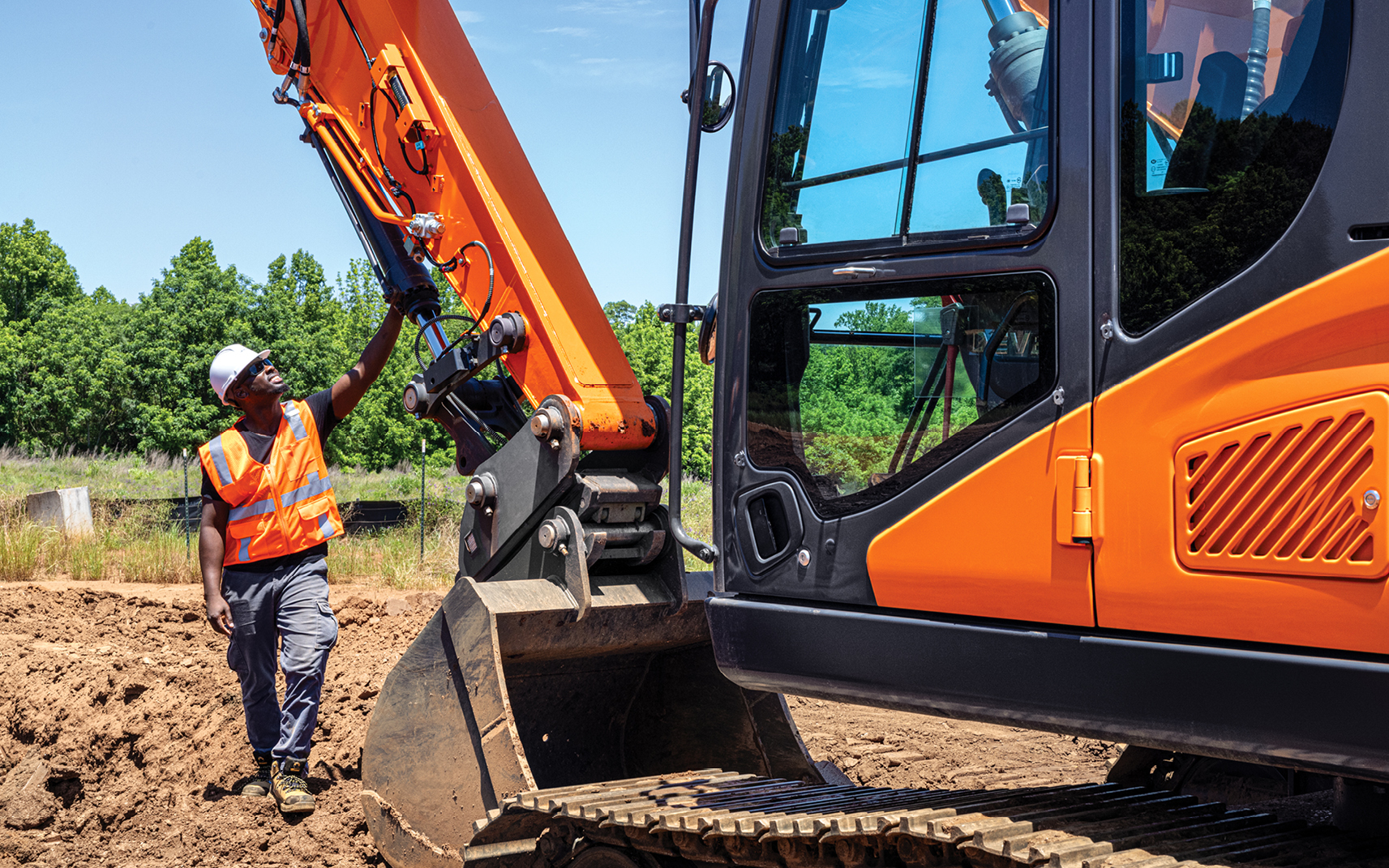
A: Take a moment to visually inspect for leaks and any signs of damage during your daily walk-around. Look for wet spots, drips or oil residue around fittings, hydraulic hoses and hydraulic cylinders. If there are any visible signs of leaks or damage, make repairs as soon as possible.
Q: What causes hydraulic hoses to fail on excavators?
A: Four main issues weaken hoses and can lead to failure: abrasion, over-bending, extreme heat and frequent pressure spikes.
Q: How long do hydraulic hoses usually last on construction equipment?
A: Instead of focusing on age or hours, hoses should be treated as wear parts. If you see any sign of damage, wear, cracking or degradation, replace them immediately regardless of how recently they were installed.
Q: How can I prevent seal damage in hydraulic systems?
A: Keep your cooling system clean to maintain optimal fluid temperature. Remember that contamination acts like sandpaper: scoring metal surfaces and wearing out seals prematurely. Finally, always keep the reservoir filled to the correct level, as proper lubrication prevents seals from creating friction and wearing out.
Maintain Cleanliness to Control Contamination
Understanding how contamination enters the system and how to prevent unexpected maintenance is crucial for every operator.
Q: What is the biggest cause of hydraulic system failure in excavators?
A: Contamination is the biggest cause of hydraulic systems failure. Tiny particles, such as dirt, water and metal, circulate and can break down components over time.
Q: How can dirt and water get into an excavator’s hydraulic system?
A: Contaminants usually sneak in through worn seals, dirty vent caps or funnels.
Q: What’s the best way to prevent contamination in hydraulic fluid?
A: Change your filters regularly. Stick to or exceed the OEM hydraulic filter replacement intervals.
Q: How do I test hydraulic oil for contamination?
A: The most reliable method is through professional testing. Reach out to your dealer or in-house maintenance technician to arrange a fluid sample analysis.
Monitor Hydraulic Pressure and Temperature
Hydraulic pressure and temperature are key indicators of your machine’s overall health.
Q: What is normal hydraulic pressure for an excavator?
A: Pressure varies by machine and its function on the job site. Main relief pressures on large excavators are typically 4,000 psi to 5,000 psi or higher. Always check your machine's manual for the exact specifications.
Q: How do I know if my excavator hydraulics are overheating?
A: Monitor the temperature gauge; anything over 180°F (82°C) can be a sign that your excavator’s hydraulics are overheating. Other signs can include slow operation, components that are hot to the touch and oil that smells burned.
Q: What causes high hydraulic temperature in excavators?
A: The most common causes are clogged cooler fins, low fluid levels and internal leaking from worn pumps or cylinders.
Q: How can incorrect hydraulic pressure damage my excavator?
A: Pressure that's too low or high can blow seals, crack hoses and stress components. Always refer to your owner’s manual for correct hydraulic pressure.
Inspect Hydraulic Cylinders
The hydraulic cylinders provide the mechanical force for your machine to keep you productive on the job site.
Q: How do I know if my excavator’s hydraulic cylinder needs repair?
A: Look for leaking fluid, jerky movements or visible scoring on the surface.
Q: What causes hydraulic cylinder seals to wear out?
A: The primary causes are from hard particles scratching the seal, misalignment that forces uneven pressure on the seals, and high heat.
Q: How can I prevent pitting or scoring in hydraulic cylinders?
A: Keep hydraulic cylinders clean by wiping them daily in dirty conditions, and control contamination by replacing hydraulic filters regularly. Also, regularly inspect the cylinder guards (standard or optional) to make sure they are properly mounted for operation.
Q: How much does it cost to replace a hydraulic cylinder on an excavator?
A: Costs vary based on the cylinder's size and location. Check with your local dealer on pricing.
Lubricate Moving Parts
Proper lubrication of all external parts, including pins and bushings, is a critical part of your maintenance routine that extends component life.
Q: How often should you grease an excavator’s pins and bushings?
A: Critical points like the boom, stick and bucket pins typically require daily greasing. Follow your manufacturer’s schedule for other crucial points.
Q: What happens if you don’t grease excavator parts regularly?
A: Consistent lubrication prevents metal-on-metal wear and avoids the excessive slack and component failure that can occur when parts are neglected.
Q: What’s the best grease to use for excavator hydraulic components?
A: Use a grease that meets your OEM's specifications as outlined in your owner’s manual.
Q: How do I know if my excavator is under-lubricated?
A: Look for unusual noise from moving joints, excessive heat at connections or wear particles around the pins.
Follow Scheduled OEM Maintenance
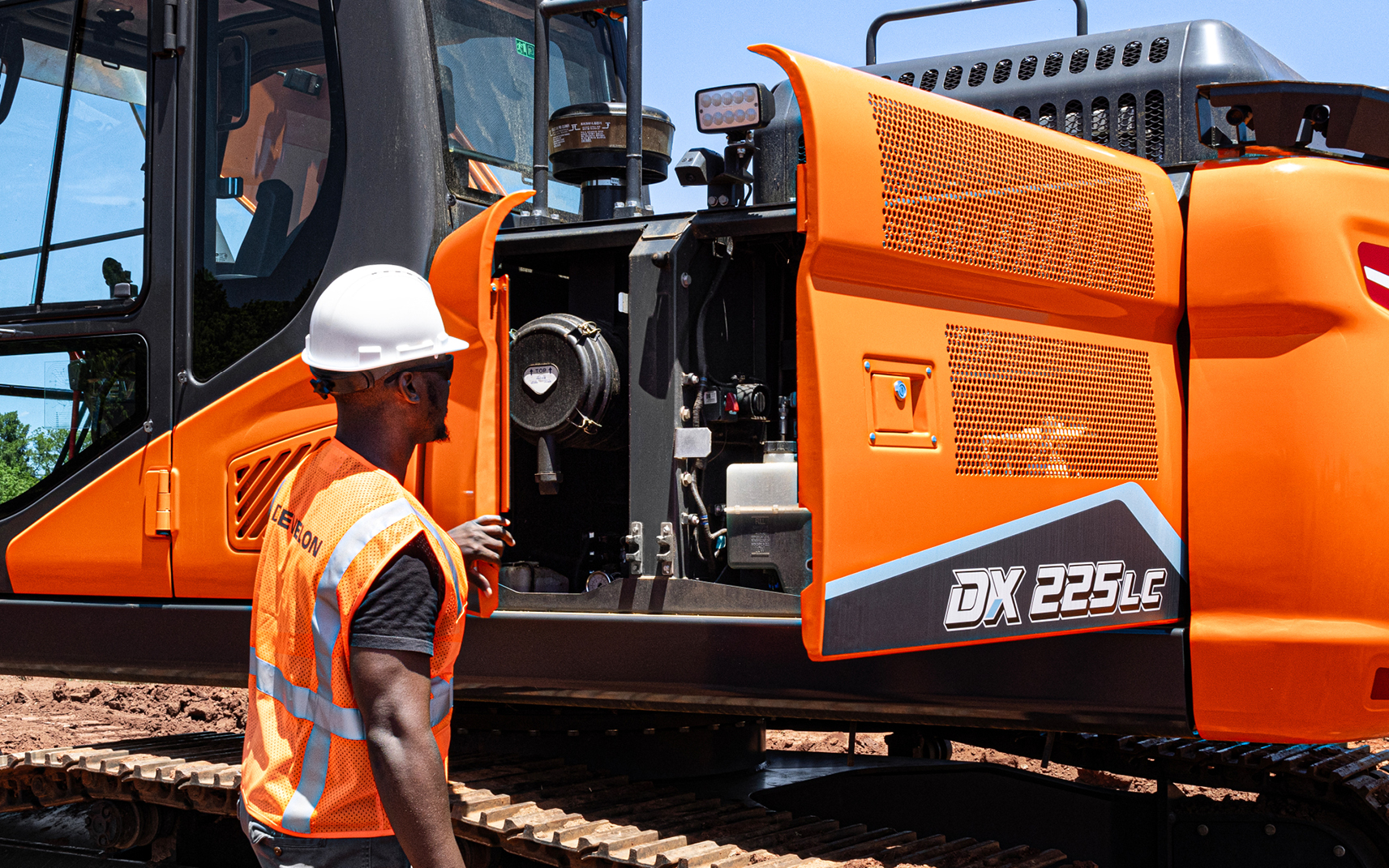
Adhering to the manufacturer's plan is the simplest and most effective maintenance tip you can follow. Your manufacturer knows the machine best.
Q: What’s included in an excavator hydraulic system service schedule?
A: A typical service includes replacing worn hydraulic fluid and hydraulic filters and cleaning the reservoir. It also includes a regular inspection of all hoses and seals.
Q: How often should an excavator be serviced for hydraulics?
A: Major service intervals are usually scheduled at 1,000, 2,000 and 4,000 operating hours. However, minor checks and hydraulic filter changes are recommended to happen much more frequently.
Q: Why is it important to follow the OEM hydraulic maintenance plan?
A: Following the OEM plan maximizes component lifespan and ensures that the machine operates at peak performance. DEVELON offers 10 planned maintenance options, ranging from three to five years and from 2,000 to 7,500 hours.
Q: Can skipping scheduled maintenance void an excavator warranty?
A: It depends on the manufacturer’s warranty. You should reach out to your local dealer to confirm.
Properly Store and Handle Excavators
Proper storage and handling, including how you start and stop the machine, helps avoid extreme conditions that stress the hydraulic systems.
Q: How should excavators be stored to protect the hydraulic system?
A: Before storing, ensure that all fluids are topped off and drain any water from the hydraulic system to prevent freezing. After storage, check for any component leaks and repair them before use. When storing long-term, always refer to your operation manual for recommendations.
Q: Does cold weather affect excavator hydraulics?
A: Yes, cold weather affects hydraulic oil. The oil thickens, leading to slower operation. Make sure you are using a winter-blend hydraulic oil to help performance.
Q: What’s the best way to warm up an excavator’s hydraulics before use?
A: Follow the manufacturer's hydraulic system warmup procedure. This gradual warmup is less harmful to components. It involves running the engine at low-to mid rpm and gently cycling each hydraulic function through its full range of motion for several minutes until the oil reaches its ideal operating temperature. The hydraulic system pressure helps increase this temperature.
Q: Can improper operation damage an excavator’s hydraulic system?
A: Yes. Operating without warming up creates stress, heat and wear that can shorten the life of all hydraulic systems components.
Mastering these maintenance steps for your excavator hydraulic system can help you maximize uptime on every job. Want to learn more ways to boost your equipment's longevity? Get tips on extending the lifespan of your construction equipment.

By DEVELON
DEVELON North America is a leading manufacturer of heavy and compact construction equipment and attachments, serving customers in a variety of industries with durable, reliable, and productive machines.